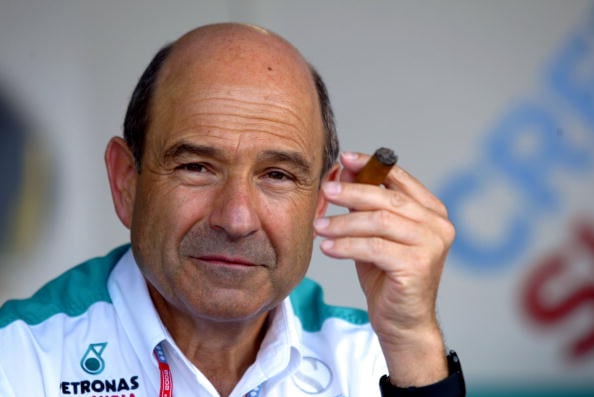
Unpacking Peter Sauber's Net Worth: A Legacy Forged in Motorsport
Peter Sauber stands as one of motorsport's most enduring figures, a Swiss visionary who built an engineering empire from the ground up, ultimately carving out a respected niche in the cutthroat world of Formula 1. His journey from humble beginnings to the pinnacle of racing makes his story fascinating, not least for those curious about the financial success accompanying such a profound legacy. While specific, definitive figures for an individual's net worth are often shrouded in privacy, especially for those who operated primarily through private entities, we can comprehensively explore the various facets that contribute to understanding Peter Sauber's financial standing. His career, marked by shrewd business decisions, innovative engineering, and an unyielding passion for racing, provides ample clues to the significant wealth he accrued over decades.
The allure of motorsport extends beyond the track, captivating fans who follow the lives and fortunes of its key players. For someone like Peter Sauber, whose influence shaped an entire team and propelled numerous drivers to stardom, questions surrounding his financial journey are natural. This article delves into the probable components of Peter Sauber's net worth, analyzing his career trajectory, the evolution of his team, and the broader economic landscape of Formula 1 that has influenced his financial journey.
The Legacy of Peter Sauber: A Motorsport Pioneer
Peter Sauber’s journey in motorsport began far from the glitz and glamour of Formula 1. Born in 1943, his early fascination with mechanics and racing led him to compete as a driver in various categories. However, it was his innate talent for engineering and team management that truly set him apart. In 1970, he founded Sauber Motorsport, initially building sports cars that quickly gained recognition for their performance and reliability. This early success laid the groundwork for a formidable reputation, particularly in the World Sportscar Championship, where Sauber partnered with Mercedes-Benz, achieving considerable triumphs, including an outright victory at the 24 Hours of Le Mans in 1989.
This period was crucial for establishing Sauber's financial foundation and brand value. Building and running successful sports car teams required significant investment, but also attracted substantial sponsorship and prize money. The partnership with Mercedes was a pivotal moment, providing both financial backing and invaluable technical expertise. This experience not only honed Sauber's business acumen but also prepared him for the ultimate challenge: Formula 1.
The transition to Formula 1 in 1993 was a monumental step, placing Sauber Motorsport on the global stage. This move represented an enormous financial commitment, but also an opportunity for exponential growth in brand exposure and potential revenue. Over the years, Sauber Motorsport became a respected independent constructor, often punching above its weight. The team provided a crucial stepping stone for future champions like Kimi Räikkönen and Felipe Massa, showcasing Sauber's eye for talent and his team's ability to develop it. This commitment to nurturing talent and engineering excellence ensured the team’s longevity and desirability within the F1 paddock, factors that directly impact a team owner's net worth.
Deconstructing the Net Worth of a Motorsport Magnate
Understanding the net worth of an individual like Peter Sauber requires looking beyond simple income statements and delving into the complex financial ecosystem of Formula 1. For a team owner, net worth is primarily comprised of a combination of assets, investments, and the valuation of the business itself, minus any liabilities.
Key Revenue Streams and Financial Drivers:
- Team Valuation and Equity Sales: This is arguably the most significant component. Over the decades, Sauber Motorsport, like any successful business, has seen its value fluctuate. Peter Sauber, as the founder and long-time owner, benefited immensely from this appreciation. He strategically formed partnerships, such as with Petronas and BMW, which often involved selling stakes in the team or receiving significant investment. The most substantial wealth-generating events would have been the eventual buy-back from BMW and the subsequent sale of the majority stake to Longbow Finance (later rebranded as Islero Investments and now owned by Audi) in 2016. These transactions represent definitive liquidity events that would significantly impact his personal net worth.
- Sponsorship and Commercial Deals: Running an F1 team is incredibly expensive, but it also attracts enormous sponsorship revenue. From title sponsors to technical partners, these deals bring in hundreds of millions over time. While much of this goes back into team operations, a well-managed team with a strong commercial department can generate profits that contribute to the owner's wealth.
- Prize Money: Formula 1 distributes prize money based on a team's performance in the Constructors' Championship. Consistent points finishes and strong overall standings ensure a significant annual payout, directly impacting the team's financial health and ultimately the owner's investment.
- Driver Contracts/Seat Fees: Especially for independent teams, securing drivers who bring financial backing (often termed 'seat fees') can be a crucial revenue stream, particularly in the earlier stages of a driver's career.
- Asset Value: The Sauber factory in Hinwil, Switzerland, is a state-of-the-art facility featuring advanced aerodynamics testing, manufacturing capabilities, and simulation technologies. These physical assets, along with intellectual property, patents, and machinery, hold substantial value.
The Financial Ecosystem of Formula 1:
The valuation of F1 teams themselves has soared, particularly in recent years. The sport’s global appeal, enhanced TV deals, and the introduction of a budget cap have made team ownership a more financially stable and attractive proposition. When Peter Sauber sold his team, he was liquidating an asset that had grown significantly in value over decades, benefiting from the overall growth of the sport. His ability to maintain a competitive team through various eras, and even reacquire it from BMW, demonstrates a profound understanding of both motorsport and business finance.
Factors Influencing Peter Sauber's Financial Standing
Peter Sauber’s financial journey is intertwined with the various ownership structures and partnerships his team has undergone. Each phase presented unique opportunities for investment, divestment, and capital appreciation.
Team Ownership & Strategic Alliances:
Peter Sauber’s shrewd management of his team's ownership structure directly influenced his net worth.
- Early Ownership (1970s-2005): For much of this period, Peter Sauber was the primary owner, benefiting from the incremental growth and success of Sauber Motorsport. Partnerships with engine suppliers like Mercedes, Ford, and Petronas brought technical support and financial contributions, but Sauber retained significant control.
- BMW Sauber F1 Team (2006-2009): BMW's full acquisition of the team in 2005, though Peter Sauber remained as a consultant, represented a major wealth event. He effectively sold a significant portion of his life's work at a high valuation to a major automotive manufacturer.
- Reacquisition and Sale (2009-2016): A truly remarkable chapter in his career was when he bought back the team from BMW for a symbolic price of one Swiss franc after the manufacturer decided to exit F1. This demonstrated his deep commitment but also incredible business foresight. He then restructured the team and continued to run it until its eventual sale to Longbow Finance (representing Islero Investments AG, an investment company with ties to Swedish billionaire Rausing family) in 2016. This final sale, which saw him relinquish control of the team he founded, would have been the most significant single event impacting his liquid net worth. The valuation of an F1 team, even a mid-field one, can run into the hundreds of millions, if not billions, especially in today's market.
These transactions represent the core of how a team owner like Peter Sauber would build substantial wealth. It's less about a consistent annual salary and more about the appreciation and eventual sale of a high-value, specialized business. For more details on the earlier financial stages, you might find
peter sauber net worth - Article 1 insightful.
Personal Investments and Other Ventures:
While primarily known for his involvement in motorsport, it's reasonable to assume that an individual with Peter Sauber's business acumen and accumulated wealth would engage in various personal investments outside of his core racing enterprise. These could include real estate, diversified financial portfolios, or even smaller entrepreneurial ventures. Such investments, while not publicly disclosed, would certainly contribute to his overall net worth.
The Elusive Nature of Private Wealth: Why Exact Figures Are Rare
Pinpointing an exact figure for Peter Sauber's net worth remains a challenge, primarily because he is a private individual and Sauber Motorsport, for most of its existence, operated as a private entity. Unlike publicly traded companies where financial disclosures are mandatory, private wealth is not subject to the same level of scrutiny.
Understanding Valuation Challenges:
- Lack of Public Disclosures: There are no publicly available financial statements detailing Peter Sauber's personal assets, investments, or income streams beyond what is directly tied to his known business transactions.
- Business Valuations vs. Personal Net Worth: While the sales price of Sauber Motorsport provides a strong indicator of the value of his primary asset, it doesn't account for personal liabilities, other investments, or how the proceeds from those sales were managed.
- Fluctuating Market Conditions: The value of assets, including the F1 team itself, fluctuates with economic conditions, sponsorship markets, and the sport's overall health.
Despite these challenges, the known transactions – particularly the sale of a majority stake in Sauber Motorsport – unequivocally place Peter Sauber in the realm of significant wealth. His legacy is not just in trophies and talent but also in the creation of a highly valuable enterprise. For further exploration of the complex financials of F1, you may wish to read
peter sauber net worth - Article 2.
Conclusion
Peter Sauber’s net worth, while not precisely quantifiable due to the private nature of his financial affairs, is undeniably substantial, built upon decades of pioneering work and astute business decisions in motorsport. From building his first sports cars to spearheading a Formula 1 team through various ownership changes and ultimately selling it for significant capital, his career is a testament to entrepreneurial success. His wealth is a direct reflection of the value he created in Sauber Motorsport, a team that continues to bear his name and legacy. While the exact figures may remain confidential, the components of his financial standing – primarily derived from the appreciation and sale of a highly valuable asset within one of the world's most lucrative sports – paint a clear picture of a man who achieved not only sporting success but also considerable financial prosperity.